About this calculator
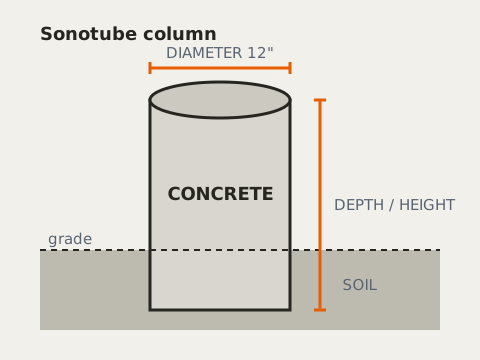
Round forms hold less than people guess, and run out faster than people guess, too. Enter the tube diameter (printed on the form), the depth of the hole or height of the pier, and how many you're pouring. You'll get total cubic yards and the bag count, which is how most sonotube jobs actually get mixed.
How the math works
A cylinder's volume is π × radius² × height. Diameter is entered in inches and converted to feet, height in feet, and the result multiplies by your tube count. A 12-inch tube holds about 0.79 cubic feet per foot of depth, so a 4-foot pier is just over 3 cubic feet, about 6 eighty-pound bags with waste.
Common questions
What size sonotube for a deck post?
A common rule is a tube 2–3× the post width: 6×6 posts usually get a 12" tube. The footing below frost depth is what your inspector cares about. Depth is set by your local frost line, not by the deck.
How many bags per sonotube?
Per foot of depth: an 8" tube takes about 1 bag (80 lb), a 12" tube about 1½ bags. Multiply by depth, add 10% waste, and round up. Short-pouring a pier is the worst place to run out.
Ready-mix or bags for piers?
Under ~10 tubes, bags win on logistics. Past that (or past 1 cubic yard total), a short-load ready-mix delivery saves hours of mixing, and many suppliers will chute straight into the tubes.