About this calculator
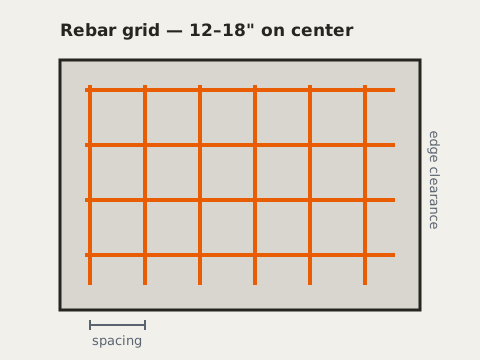
A two-way rebar grid is a counting problem: bars at your spacing across each direction, kept back from the edges, lapped where sticks meet. Enter the slab size, spacing, and bar size, and you'll get the grid layout, total linear feet (the waste allowance covers laps), 20-foot sticks to buy, and the weight, which is how suppliers quote bigger orders.
How the math works
Bars running each direction = the clear span across them (slab dimension minus edge clearance both sides) divided by the spacing, plus one. Linear feet = each direction's bar count × its bar length, summed, plus your waste allowance for laps and cuts. Sticks = linear feet ÷ 20 (the standard stock length), rounded up. Weight = linear feet × the bar's pounds per foot.
Common questions
What size rebar for a slab?
#3 or #4 on a 12–18 inch grid covers most residential flatwork; #4 is the default for driveways and garage slabs. Footings and structural work are engineered. Use the size and spacing on your plans, not a habit.
Rebar or wire mesh?
Mesh helps control cracking in light-duty slabs; rebar adds real structural capacity and stays put when chaired properly. Vehicle slabs and anything on questionable soil want rebar.
How much should bars overlap?
Standard lap splice is 40 bar diameters, about 20 inches for #4. The calculator's waste allowance approximates laps for typical slabs; long narrow pours with many splices may want it bumped to 15%.