About this calculator
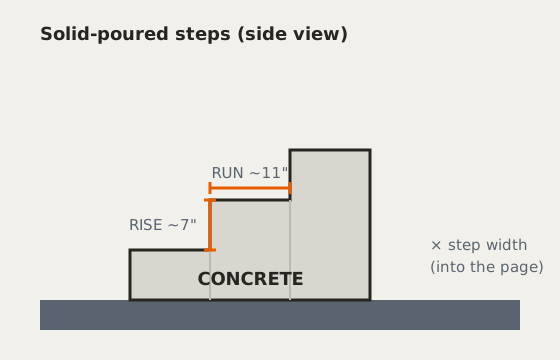
Solid-poured steps stack like a staircase of rectangular layers: each step down adds one more tread-sized block beneath. Enter the step width, the rise and run of each step, and how many steps you need. The calculator sums the whole stack and converts to cubic yards and bags.
How the math works
For a solid stoop, step 1 sits on a block 1 tread deep, step 2 on a block 2 treads deep, and so on, a triangular stack. The volume is width × rise × run × n(n+1)/2 for n steps. Rise and run are entered in inches (how stairs are spec'd) and converted to feet. Hollow-formed steps use less concrete; treat this as the solid worst case.
Common questions
What rise and run should steps have?
Exterior steps are most comfortable around a 7-inch rise and an 11-inch run. Code in most places caps rise near 7¾" and requires at least a 10" tread. Check your local requirements before forming.
How much concrete for 3 porch steps?
Three 4-foot-wide steps at 7" rise and 11" run are about half a cubic yard with waste, roughly 24 eighty-pound bags. It's a workable bag job, but renting a mixer saves your back.
Do steps need rebar?
Yes. Solid steps want rebar tied into the slab or footing behind them and a compacted base beneath. An anchored, reinforced stoop won't pull away from the house the way an unanchored one eventually does.