About this calculator
A concrete patio is a flat slab poured at walking-load thickness, so the estimate comes down to length, width, and depth. Enter your patio's dimensions below to get the volume in cubic yards (how ready-mix is sold), the bag-count equivalent for smaller pours, plus a material cost and an installed-cost range you can use to sanity-check contractor quotes.
How the math works
Patio volume is length × width × thickness. Thickness is entered in inches, the way it's spec'd, and divided by 12 to convert to feet before multiplying, giving cubic feet; dividing by 27 converts to cubic yards. For an L-shaped patio, split it into rectangles, run each through the calculator, and add the volumes together.
Common questions
How thick should a concrete patio be?
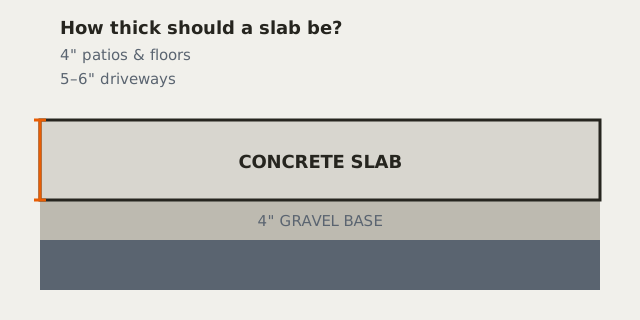
4 inches is standard for a patio that carries people and furniture. If a hot tub, heavy grill island, or vehicle will sit on it, go to 5–6 inches over a compacted gravel base. Thickness drives volume directly, so 6" costs 50% more concrete than 4".
What size patio should I pour?
A small seating area starts around 10×10 (100 sq ft); a dining set wants roughly 12×14; a full outdoor-living layout with seating and dining typically runs 16×20 or larger. Map your furniture with a tape measure before you set the forms.
Is a concrete patio cheaper than pavers?
Usually yes on installed cost: poured concrete typically runs meaningfully less per square foot than pavers, and stamped or colored finishes can mimic them. Material is the small share either way; site prep and finishing drive the total, so compare itemized quotes.