Slab thickness is the single biggest factor in how much concrete you order and how much load the slab can carry. Most residential flatwork lands between 4 and 6 inches: the right number depends entirely on what will sit or drive on it.
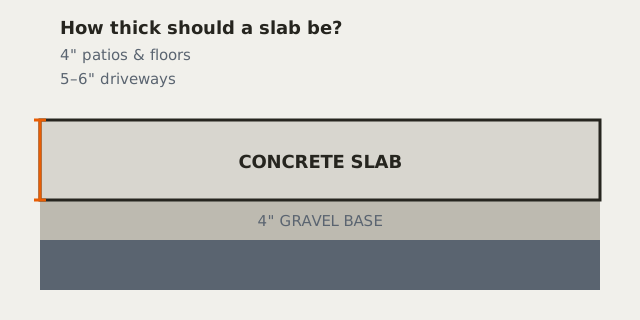
Standard thicknesses by use
4 inches: the default for patios, walkways, shed floors, and interior slabs. Plenty for foot traffic and furniture.
5–6 inches: driveways, garage floors, and anything carrying a vehicle. Six inches for trucks, RVs, or heavy equipment.
6 inches and up: heavy loads, commercial use, or poor soil, usually with engineered reinforcement.
Thickness drives your concrete order
Volume is length × width × thickness, so depth scales the order directly. Going from 4″ to 6″ on the same footprint adds 50% more concrete, and 50% more cost. It's worth getting the number right before you order, which is exactly what the slab calculator is for.
The base matters as much as the slab
A 4-inch slab on 4 inches of compacted gravel outperforms a thicker slab on soft, uneven ground. Proper subgrade prep, meaning a compacted base and good drainage, prevents the settling and cracking that thickness alone can't fix.
How is finished slab thickness verified?
The calculator estimates how much concrete to order from a planned length, width and depth; it cannot measure a slab after placement. For an as-built thickness check, a qualified professional may use drilled cores under ASTM C174/C174M-25. The standard covers concrete pavements, slabs and structural elements. A core test is destructive and should be specified and interpreted by the project professional.
Common questions
Is a 4 inch slab enough for a driveway?
For passenger cars on a well-prepared base, 4 inches can work, but 5 to 6 inches is the standard and is strongly recommended for anything heavier. That extra inch costs little and saves you a cracked slab.
How thick should a garage floor be?
Four inches handles cars; go to 5–6 inches if you'll park trucks, store heavy equipment, or use a lift.
Does a thicker slab need more rebar?
Thicker, load-bearing slabs generally want reinforcement. See our guide on whether concrete needs rebar.